

Small Dining Room Ideas That Actually Work
As an Amazon Associate I earn from qualifying purchases. This post may also contain affiliate links from other trusted retailers. If you click through and make a purchase, I may earn a commission at no additional cost to you. I only recommend products I genuinely believe will add value to your home. Read my full affiliate disclosure here.
A small dining room doesn’t have to feel like a compromise. With the right table, seating, lighting and layout, even a genuinely tiny space can become somewhere you actually enjoy sitting down for meals — not just a corner you squeeze past on your way to the kitchen.
Whether you’ve got a proper (if small) dining room, a dining area tucked into your living room, or just an awkward corner that could become a breakfast nook, these ideas are built around making the most of what you’ve got.
Choose a Table That Fits the Space
It’s tempting to assume the smallest table available is automatically the right choice, but that’s not always true. A table that’s too small for how you actually eat can end up feeling more frustrating than a slightly larger one placed well.
A few shapes worth considering:
- Round tables — no corners to bump into, and they often make a room feel more open
- Pedestal tables — a single center leg means more legroom and flexible seating
- Small rectangular tables — good against a wall or in a defined dining zone
- Drop-leaf or extendable tables — compact day-to-day, expandable when you need it

Try a Round Dining Table
Round tables deserve their own mention, because they genuinely change how a small dining room functions. Without sharp corners, it’s easier to move around the table and squeeze in an extra chair when needed — something a rectangular table in a tight space often can’t do gracefully.
Pedestal bases help here too, since there’s no table leg in the way when you’re pulling a chair in or out. In a small room, that little bit of extra flexibility makes a real difference.

Use a Bench to Save Space
A dining bench is one of the simplest ways to save space in a small dining area. Unlike chairs, a bench can tuck neatly under the table when it’s not in use, and it works especially well when the table sits close to a wall.

It’s also a good option if your household size changes from meal to meal — a bench can comfortably seat more people than the same length of wall would fit in individual chairs.
Create a Cozy Breakfast Nook

An awkward corner or an unused strip of a kitchen can make a genuinely lovely breakfast nook with surprisingly little effort. You don’t need a custom-built banquette — a small round table, a bench or a couple of compact chairs, and a few cushions will do most of the work.
A few elements that make a breakfast nook feel finished rather than improvised:
- A small round table sized to the corner
- Built-in or freestanding bench seating
- A few cushions for comfort
- A wall light or small pendant overhead
- One piece of small artwork nearby
Create a Dining Area Within a Living Room
If your home doesn’t have a separate dining room, a dining area within a living room can still feel intentional rather than like an afterthought. The trick is defining the space visually, without physically dividing the room.

A few ways to do that:
- Hang a pendant light directly over the table to mark the zone
- Add a small rug under the table if the space allows it
- Include a piece of artwork near the dining area, separate from the living room’s
- Position the table behind a sofa to create a natural boundary
- Keep furniture styles and colors connected across both zones, so it reads as one considered room
Make the Dining Area Feel Cozy
A small dining room doesn’t need to be pale and minimal to feel bigger — in fact, that approach can leave it feeling a little cold. Warm lighting, comfortable seating, a few textiles and some wood tones will usually do more for the room than an all-white palette.

Don’t be afraid of color and personality here. A small space can absolutely hold a bolder wall color, some patterned cushions on a bench, or a piece of artwork with real presence — it’s the styling, not the square footage, that makes a room feel considered.
Use the Walls Without Overcrowding Them
Small dining rooms benefit from having something on the walls, but it’s easy to overdo it. Skip bulky wall storage and stick to pieces that add interest without closing the room in.
Good options include:
- A mirror, which also helps bounce light around the space
- Narrow shelving for a few decorative pieces
- Artwork
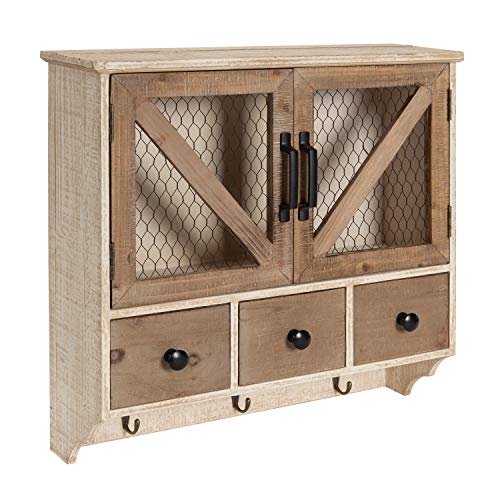
- A slim wall-mounted cabinet, if you need a little extra storage
Choose Dining Chairs Carefully
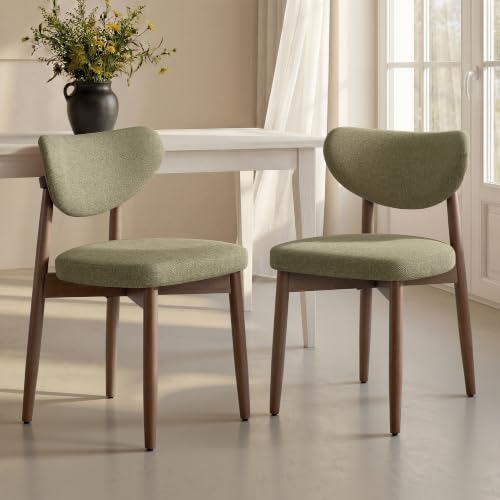
Chairs carry a lot of visual weight in a small room, so it’s worth thinking about scale as well as comfort. Slim-profile chairs can help a dining area feel less crowded, but don’t sacrifice comfort entirely for the sake of a smaller silhouette — you still have to sit in them.
Mixing a bench on one side with chairs on the other is a good middle ground — it keeps one side of the table visually lighter while still giving you comfortable, individual seating where you want it.
Get the Lighting Right
A pendant light above the table does a lot of work in a small dining area, particularly in an open-plan living/dining space, where it visually marks “this is where the table lives” without needing a wall to do it.

Choose a fixture that’s proportional to your table and room — something too large can overwhelm a small space, while something too small can get lost above the table.
Keep the Centerpiece Simple
A small table doesn’t have room for a large centerpiece, and honestly, it doesn’t need one. Something small and low works better anyway, since it won’t get in the way of actually eating.
A few simple options:
- A small vase or bowl
- A few seasonal branches
- A compact plant
- A small, low decorative arrangement
Add Storage Without Sacrificing Floor Space
If your dining area needs a bit of storage, look for pieces that stay slim rather than anything that will visually eat into the room. A narrow sideboard, a slim cabinet, a floating shelf, or a storage bench can all add function without overwhelming a genuinely small space.

Let the Room Have Personality
Small doesn’t have to mean bland. Color, wallpaper, artwork, a vintage piece or two, an interesting light fixture, and a few well-chosen textiles can make a tiny dining area feel deliberately designed — like a room you chose to look this way, rather than one that simply had to make do.
A Small Dining Room Is Still a Real Dining Room
A small dining area doesn’t need to accommodate everything, and it doesn’t need to imitate a formal dining room to feel like it “counts.” The aim is simply a comfortable place that fits your home and the way you actually eat and live — whether that’s a proper table for four or a cozy nook for two.
