

Sage Green Living Room Ideas: 10 Ways to Design a Warm, Inviting Space
As an Amazon Associate I earn from qualifying purchases. This post may also contain affiliate links from other trusted retailers. If you click through and make a purchase, I may earn a commission at no additional cost to you. I only recommend products I genuinely believe will add value to your home. Read my full affiliate disclosure here.
Sage green has become a go-to living room color for good reason — it’s calming without being cold, and it works with almost any style, from modern to traditional to boho. Because a living room usually has more furniture and layers than any other room in the house, sage green gives you a lot of flexibility to mix textures, tones, and materials. Here are ten ways to bring the look together, piece by piece.
🛍️ Love Shopping on Amazon?
Try Amazon Prime FREE for 30 days!
Enjoy eligible fast, free delivery, exclusive shopping offers, Prime Video and more with a 30-day free trial for eligible new members.
As an Amazon Associate I may earn from qualifying sign-ups and purchases.
1. Decide How Bold You Want to Go
Before you buy anything, it’s worth deciding whether sage green will be a big statement — like an accent wall or a sage green sofa — or a supporting color introduced through smaller pieces like pillows, throws, and decor. Both approaches work well, but they call for different starting points.
If you’re not ready to commit to paint or a large piece of furniture, starting with textiles is the lowest-risk way to test the color in your space.

2. Anchor the Room With a Sage Green Sofa
A sofa is the largest piece of furniture in most living rooms, which makes it one of the most impactful places to introduce sage green. A sage green sofa in a boucle, linen, or velvet fabric adds color without overwhelming the room, especially when balanced with lighter walls and neutral flooring.
If a full sofa feels like too big a commitment, an accent chair in sage green can achieve a similar effect on a smaller scale.

3. Bring in Warm Wood Furniture
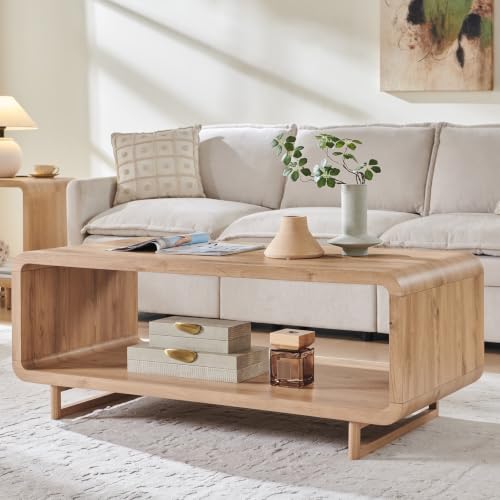
Sage green pairs especially well with warm wood tones — oak, walnut, and rattan all complement it nicely. A wood coffee table, console, or media unit keeps the room from feeling too cool, which can happen when green is paired only with white, black, or gray.
If your existing furniture leans cooler in tone, even one or two warm wood pieces can shift the whole feel of the space.
4. Layer in Texture With Pillows and Throws
Because sage green is a soft, muted color, texture is what keeps a living room from feeling flat. Mixing textured pillows — boucle, linen, chunky knit — in cream, blush, and varying tones of green adds depth to a sofa or sectional without introducing a whole new color palette.
A chunky knit throw draped over the arm of a sofa or chair is a small, low-cost detail that makes the whole room feel more finished.

5. Ground the Room With a Natural Fiber Rug
A rug helps define the seating area and adds warmth underfoot. In a sage green living room, a natural fiber rug — jute, sisal, or a chunky wool weave — echoes the earthy, organic feel of the color and works well whether your furniture is patterned or solid.
If you want more visual interest, a rug with a subtle pattern in cream and sage tones can help tie the whole room together.

6. Choose Warm, Layered Lighting
Overhead lighting alone tends to flatten a room’s colors, sage green included. A mix of lighting sources — a floor lamp, a table lamp, maybe a picture light over artwork — creates a warmer, more layered glow that makes the space feel cozy in the evenings rather than flat and clinical.
Warmer bulb temperatures (around 2700K) tend to bring out sage green’s earthy, organic character best.

7. Add Curtains That Soften the Space
Linen curtains in a cream or oatmeal shade add softness to a living room and let natural light filter in gently. If your walls are sage green, lighter curtains help the color breathe rather than disappear into the background. If your walls are neutral, sage green curtains can be the statement piece instead.

8. Style Shelves and Surfaces With Natural Accents
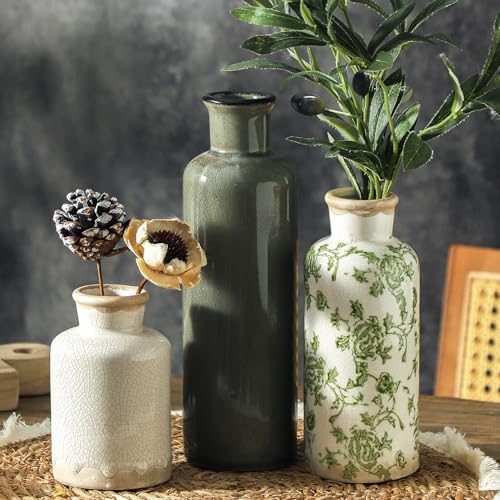
Open shelving, a console table, or a mantel are great spots to layer in natural textures — a woven basket, a ceramic vase, a stack of books, or a small potted plant. These details tie back into sage green’s earthy roots and keep the room from feeling too styled or showroom-like.
9. Add Wall Art That Complements the Palette
Once the larger pieces are in place, wall art is where you can add personality without competing with the room’s color story. Botanical prints, abstract art in muted tones, or a woven wall hanging all sit comfortably alongside sage green.
A good rule of thumb: if your sofa or walls are already doing a lot of visual work, keep the art simple and let the color palette lead.

10. Bring in Greenery for a Finishing Touch
Living plants are a natural finishing touch in a sage green living room, reinforcing the earthy, organic feel of the space. A large floor plant, like a fiddle leaf fig or snake plant, adds height and life to a corner, while smaller potted plants on a shelf or coffee table round out the styling.

Bringing It All Together
A sage green living room feels most inviting when the color is balanced with warm wood, natural textures, and layered lighting rather than left to stand alone. Start with one anchor piece — a sofa, an accent wall, or even just a rug — and build the rest of the room around it. The goal isn’t to match everything perfectly, but to create a space that feels calm, lived-in, and a little bit intentional.


