

Craft Room Ideas for a Cozy, Beautiful Creative Space
As an Amazon Associate I earn from qualifying purchases. This post may also contain affiliate links from other trusted retailers. If you click through and make a purchase, I may earn a commission at no additional cost to you. I only recommend products I genuinely believe will add value to your home. Read my full affiliate disclosure here.
A good craft room isn’t just about storage — it’s about having somewhere that makes you want to sit down and actually make something. Whether you’ve got a whole spare room to work with, a corner of your home office, or just a section of a shared space, these craft room ideas are built around making that space feel inviting, not just organized.
Start With a Dedicated Work Surface
Before storage, before decor — start with somewhere to actually work. A proper work surface changes how a craft room feels almost instantly, because it gives the space a clear purpose rather than just being “the room with all the craft stuff in it.”
If you’ve got the space, a full table works well, especially for anything that needs laying flat (sewing, scrapbooking, larger projects). If you’re tight on room, even a narrow desk against a wall gives you a dedicated spot rather than working from the kitchen table.
An adjustable standing desk can be a surprisingly practical choice for a craft room, letting you raise the work surface for cutting, wrapping and larger projects, then lower it when you’d rather work sitting down.

Let Storage Be Part of the Decor
One of the easiest ways to make a craft room feel intentional rather than chaotic is to treat your supplies as part of the decor instead of hiding everything away. Open shelving is great for this — a shelf of labeled jars filled with buttons, ribbon, or paint can look genuinely decorative, not just functional.
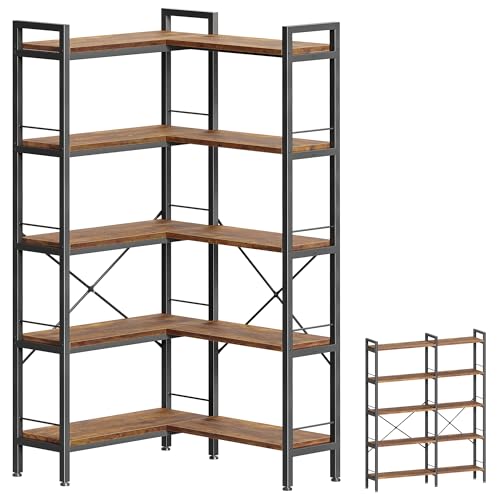
This works especially well if your supplies already have a bit of color and personality to them, which, let’s be honest, most craft supplies do.
A few ways to lean into this:
- Group supplies by color rather than by type for a more visually pleasing shelf
- Use clear containers so you can see what’s inside without opening anything
- Leave a little breathing room on shelves rather than packing them floor to ceiling
A Pegboard or Wall Storage Wall

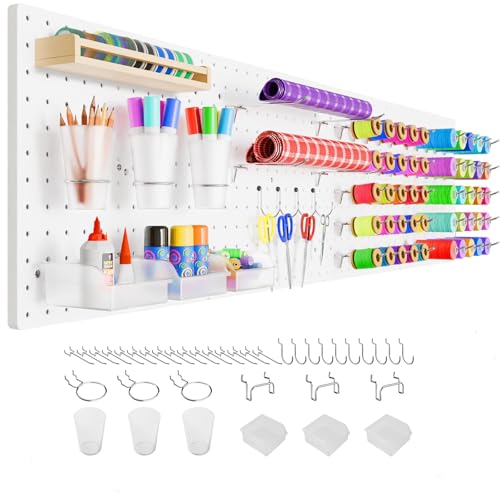
If floor space is limited, the walls are where a craft room can really earn its keep. A pegboard is one of the most flexible storage solutions out there, because you can rearrange it as your projects and supplies change — something a fixed cupboard just can’t do.
Small Craft Room Ideas for a Cozy Corner
You don’t need a dedicated room to have a proper craft space. A cozy craft corner — in a bedroom, a landing, or a section of a living room — can work brilliantly if you set it up with intention rather than just pushing a table against a wall.

The trick with small craft room ideas is to keep the footprint tight but still make it feel like “your” space:
- A narrow table or fold-down desk that doesn’t eat up the room
- Wall storage instead of floor storage wherever possible
- A small rug or a piece of art nearby to visually separate the corner from the rest of the room

It’s a genuinely good option if a whole room isn’t realistic right now — the goal is a corner that feels like a space, not just a pile of supplies in the corner of a room.
Flexible Storage with Rolling Carts
Rolling carts are one of the most underrated craft room storage ideas, especially in smaller spaces. A cart tucked under a desk during the day can be pulled out when you’re working, then pushed back out of the way when you’re done — which matters a lot if your craft space doubles as something else.

They’re also genuinely useful if you tend to move projects between rooms — a cart means you’re not stuck working in one spot.
Combining a Home Office and Craft Room
If you’re working with one room that needs to do double duty, an office and craft room combination can work really well with a bit of planning. The key is giving each function its own clearly defined area, rather than letting craft supplies creep across your desk (or your laptop end up buried under fabric scraps).

A few ways to keep the two functions from colliding:
- Use one wall or zone for “office” and a separate wall or corner for “craft”
- Keep a closed storage piece nearby so craft supplies can be tidied away quickly before a video call
- Choose furniture and colors that work for both functions, rather than decorating the room as two competing spaces
Lighting and Seating That Make You Want to Stay
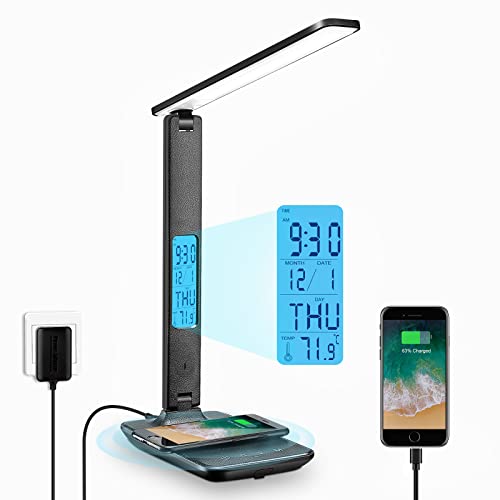
It’s easy to focus entirely on storage and forget that a craft room needs to actually be comfortable to work in. Good lighting matters more than people expect — overhead lighting alone often isn’t enough for detailed work, so a dedicated task light near your work surface makes a real difference.
Seating matters just as much. If you’re going to be sitting for a while, a proper chair (rather than a stool you’ve borrowed from the kitchen) genuinely changes how long you’ll want to stay in the space.

Storing Paper, Fabric, Yarn and Other Supplies
Different supplies need different storage, and this is where a lot of craft room storage ideas fall apart — a system that works beautifully for yarn won’t necessarily work for paper or fabric.
A few starting points:
- Paper and cardstock — flat storage (drawers or a paper organizer) rather than stacking, which causes warping
- Fabric — folded and stored upright, so you can see what you have at a glance rather than digging through a pile
- Yarn — bins or baskets that let air circulate, rather than sealed containers

It’s worth setting this up by supply type rather than trying to force everything into one identical storage system — a little variety here actually makes the room easier to use.
Color, Display and Finished Projects

A craft room should feel joyful, and color is one of the easiest ways to get there. This doesn’t mean repainting the whole room — even a colorful rug, a gallery of finished projects, or a shelf of your favorite supplies can do a lot of the work.
Displaying a few finished projects, rather than tucking every completed piece away, also does something psychologically useful: it reminds you why you set the space up in the first place.
FAQs
What’s the most important thing to include in a craft room? A proper work surface. Storage and decor matter, but a functional craft room starts with somewhere comfortable to work.
How do I make a small craft room feel bigger? Lean on wall storage instead of floor storage, keep furniture pieces multi-purpose, and avoid overfilling open shelving — a little visual breathing room goes a long way in a small space.
Can a craft room and home office really share one space? Yes, as long as each function has its own clearly defined zone. The rooms that struggle are usually the ones where craft supplies and office work aren’t visually separated at all.
Do I need to spend a lot to set up a good craft space? Not necessarily. A dedicated surface, some intentional storage, and decent lighting go further than an expensive full-room overhaul — you can build the space up over time.
Bringing It All Together
The best craft rooms aren’t the most organized ones — they’re the ones you actually want to spend time in. Start with a proper work surface and good lighting, add storage that suits the way you actually work, and let a little color and personality creep in. Whether it’s a whole room or a small corner, that combination is what turns a craft space from “storage” into somewhere you genuinely look forward to using.

